25 Aug 2026
PAGCOR Flags Widespread Access to Unlicensed Online Gaming Platforms Across the Philippines

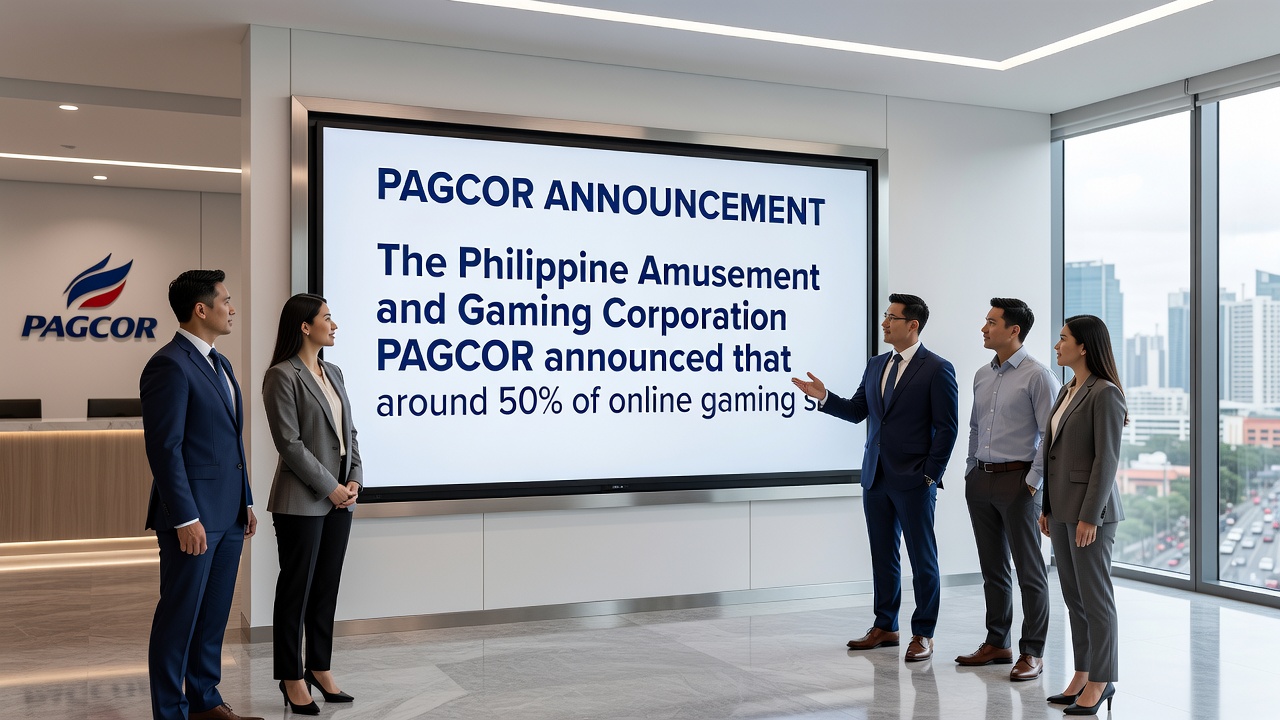
Chairman and CEO Alejandro H. Tengco delivered the update during an August 2026 budget hearing before the House Committee on Appropriations, where he stated that roughly half of the online gaming sites reached by users in the Philippines operate without licenses. The figure underscores ongoing enforcement difficulties as players continue to migrate toward unregulated platforms that bypass local oversight and consumer safeguards. Tengco emphasized that maintaining participation within the regulated market remains a central priority for the agency, which oversees licensing and compliance across the country's gaming sector.
Observers note that the 50 percent estimate reflects data collected through monitoring efforts and player traffic analysis, although exact methodologies were not detailed in the hearing remarks. The situation creates direct implications for revenue collection and player protection standards, since unlicensed operators typically avoid the taxes and responsible gaming requirements imposed on legitimate license holders. Those who've studied similar regulatory environments point out that such access patterns often emerge when enforcement resources lag behind rapid technological shifts in how platforms deliver content.
Regulatory Challenges Highlighted in the Hearing
During the session, Tengco outlined the practical hurdles involved in steering users away from illegal sites, including the ease with which offshore platforms can reach Philippine audiences through mobile devices and social media promotion. The agency has already established the PAGCOR Guarantee verification portal at pagcor.ph/pagcorguarantee, which allows players to check whether a platform holds current authorization. Yet the hearing made clear that additional tools will be necessary to close the gap between licensed and unlicensed options. Data from the same period shows consistent player interest in quick-access games, a factor that illegal operators exploit through aggressive marketing and fewer restrictions on deposits or game variety.
Experts have observed that this dynamic places pressure on PAGCOR to accelerate its digital verification efforts, since manual checks alone cannot keep pace with the volume of new sites appearing each month. The remarks by Chairman Alejandro H. Tengco during the House Committee on Appropriations budget hearing framed the issue as both a regulatory and educational challenge, requiring clearer signals to the public about which platforms meet safety and fairness criteria.
Planned App Launch to Strengthen Player Verification
PAGCOR intends to release a dedicated mobile application by the end of 2026 that will extend the functions of its existing verification site. The app is designed to let users confirm licensing status in real time and receive alerts about newly authorized platforms, thereby reducing accidental exposure to illegal operators. Officials described the tool as a direct response to feedback from players who want simpler ways to distinguish compliant sites from those operating outside the law. Once deployed, the application will integrate with the current PAGCOR Guarantee system, providing a single point of reference for anyone seeking regulated online gaming experiences.
Those familiar with the agency's timeline note that development work is already underway, building on infrastructure created for the web-based verification portal. The app will include features such as direct links to licensed operators, basic responsible gaming resources, and updates on regulatory changes. By centralizing this information in one accessible location, PAGCOR aims to shift more player activity toward platforms that adhere to local standards for fairness, data security, and dispute resolution. The hearing discussion also touched on coordination with telecommunications providers and app stores to limit promotion of unlicensed alternatives, although specific implementation details remain under review.
Implications for Licensed Operators and Player Safety
Licensed gaming companies stand to benefit if the new app succeeds in redirecting traffic, since these operators already comply with taxation, auditing, and player fund protection rules. Conversely, the continued prevalence of illegal sites threatens to erode the competitive position of authorized platforms that must meet higher operational costs. Figures presented during the budget hearing indicated that unregulated sites often capture significant market share through lower overhead and fewer compliance obligations, a pattern that PAGCOR seeks to reverse through improved user tools and public awareness.
Research indicates that players who remain in the regulated sector gain access to mechanisms for resolving disputes and reporting suspected fraud, protections that unlicensed platforms rarely provide. The agency has stressed that its verification efforts serve not only enforcement goals but also the broader objective of maintaining trust in the licensed market. Observers note that successful rollout of the planned app could serve as a model for other jurisdictions facing similar splits between legal and illegal online offerings.
Conclusion
The August 2026 disclosure from PAGCOR brings renewed attention to the scale of unlicensed online gaming activity reaching Philippine users and the steps the agency is taking to address it. With the proposed mobile application set for release by year-end and the existing PAGCOR Guarantee portal already in operation, regulators are positioning verification technology as a primary tool for guiding players toward compliant platforms. The outcome of these initiatives will depend on adoption rates, continued enforcement actions, and ongoing collaboration with technology partners to limit visibility of illegal alternatives. As the situation develops, the focus remains on measurable shifts in player behavior and the sustained operation of a regulated market that meets established standards for safety and accountability.